Finance
Scheduled the Ring in 2016? Five Checks Before the Claim, and Why the Appraisal Ran Out
An appraisal is a snapshot with a shelf life, and the party that decides what your jewelry is worth at claim time is rarely the one who wrote it.
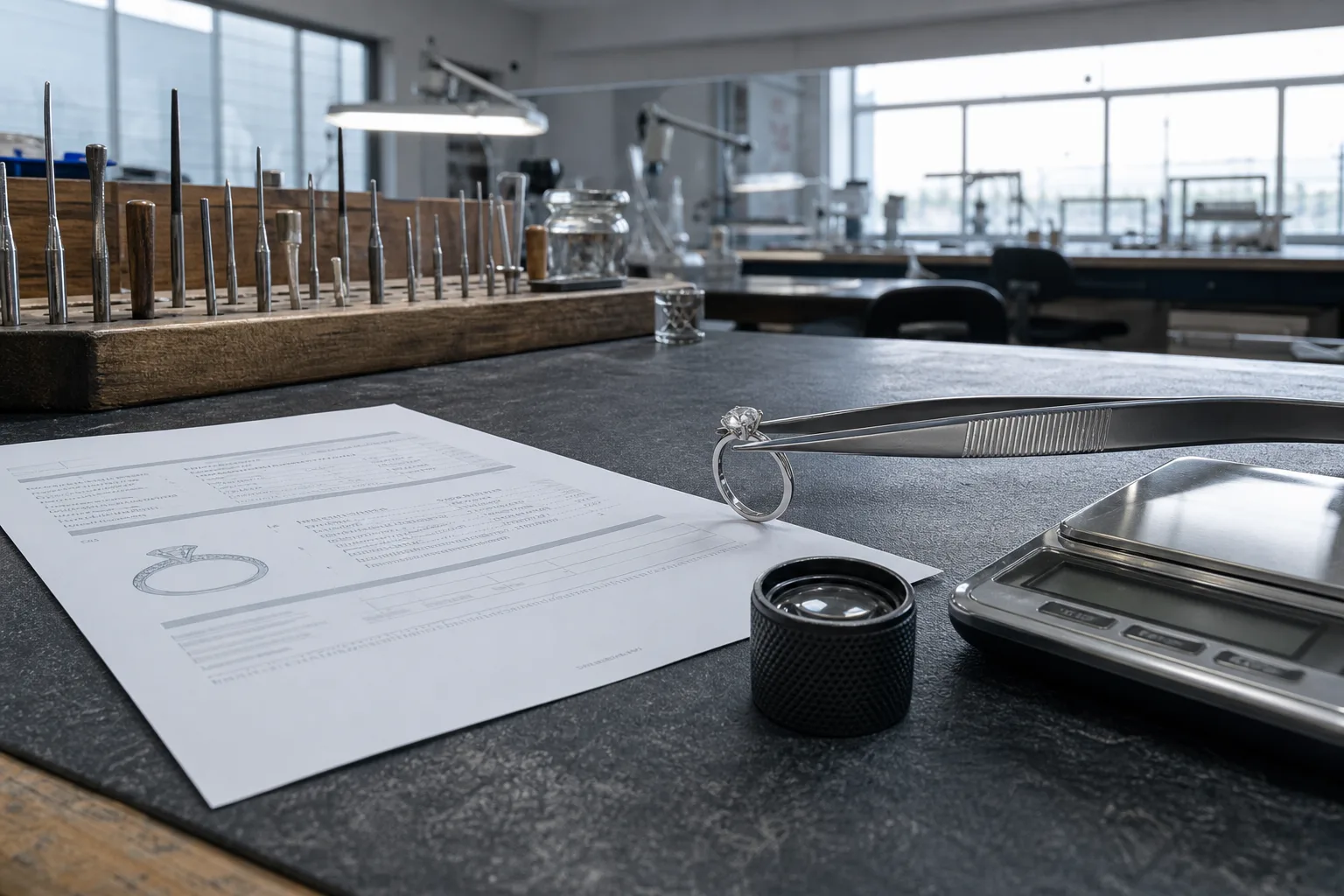
A ring goes onto a homeowners policy as a scheduled item in the middle of the last decade, backed by an appraisal from the store that sold it. The premium is small enough that it never draws attention on the renewal notice, and the document goes into a drawer. Seven years later the ring is gone, the claim is filed, and the carrier pays the scheduled amount, which is the number a jeweler wrote before two rounds of gold price increases and a general rise in bench labor rates. Nothing was mishandled. The owner simply assumed the appraisal was a live valuation when it was a dated snapshot, and the choice about which number governed had already been made, years earlier, by someone else.
Read the valuation clause before you read the appraisal
The appraisal is evidence. The endorsement is the contract, and the sentence that matters sits in the endorsement, not in the appraiser's letterhead. Some scheduled item forms pay an agreed value, meaning the listed figure is what a total loss produces regardless of what replacement now costs. Others pay the lesser of the scheduled amount or the actual cost to replace with a piece of like kind and quality, which caps you at the older number while still requiring proof of current value. A third variant pays replacement cost up to a stated percentage above the schedule, absorbing modest inflation without a new document. Those three clauses produce three different checks from identical facts.
Find out who is allowed to write the appraisal your carrier will honor
Larger carriers and the specialty underwriters that handle fine jewelry maintain standards for whose valuation they will accept, and those standards are usually stricter than the retail appraisal handed over at the counter. A gemological credential, a stated methodology, plating and measurement detail, clarity and color grades tied to a recognized scale, and photographs are the ordinary requirements. Retail appraisals written to justify a purchase price often lack the grading detail an underwriter needs to price a replacement. The Federal Trade Commission oversees how gemstones and precious metals may be described in commerce, which is why the vocabulary on a competent appraisal is narrower and more literal than the language used to sell the piece.
Understand what actually expires, because it is not the document
An appraisal does not lapse the way a passport lapses. What changes underneath it is the replacement market: metal prices move, cutting and setting labor is repriced, lab-grown alternatives shift what comparable stones cost, and specific vintage or discontinued designs become harder to source. Carriers respond by requiring updated valuations on a cycle, commonly every few years for pieces above a threshold, and by reserving the right to ask for one at claim time. If the update is not filed, the older figure keeps governing, which helps nobody when replacement costs have risen. Treat the renewal notice as the prompt and get the piece re-examined on schedule.
Ask who sources the replacement, and whether you can decline it
This is the decision most owners do not know is on the table. Large insurers operate replacement networks, and the standard settlement path is a piece sourced through that network rather than a check. The economics favor the carrier, since network pricing is below retail, and the replacement is generally comparable on paper. Policies differ on whether you may take cash instead, and on whether the cash figure equals what the carrier would have spent or something lower. If a particular jeweler, a specific designer, or a family setting matters to you, that preference belongs in the conversation at binding, not after a loss.
Separate the homeowners rider from the standalone policy
Unscheduled jewelry sits inside the homeowners personal property limit and is usually capped by a special sublimit for theft, which is why a scheduled endorsement exists at all. Scheduling typically removes the deductible for that item, extends coverage worldwide, and adds perils the base policy excludes, including mysterious disappearance, a stone dropping out of a setting, and damage in transit. A standalone valuables policy from a specialty underwriter goes further on all three, and, importantly, keeps the claim off the homeowners loss history that carriers consult at renewal. Where the collection is substantial, that separation is often the deciding factor.
Confirm what the carrier already has on file
Ask the agent to send the current schedule as it appears in the carrier's system, item by item, with the valuation clause and any update requirement quoted. Compare it against your own appraisals and receipts, and note every piece that has been sold, given away, reset, or acquired since the last review. Pieces that no longer exist are still generating premium. Pieces bought in the interim are almost certainly uninsured above the sublimit. Photograph everything, store the images and documents somewhere that survives a house fire, and record serial numbers on watches, since those are what recovery databases search.
The useful mental shift is to stop thinking of the appraisal as a statement of what your jewelry is worth and start thinking of it as the input to a valuation formula the insurer already wrote. You cannot change the formula after a loss, but you can read it now, choose the endorsement that matches how you would want the piece replaced, and keep the input current enough that the arithmetic lands where you expect. A scheduled item reviewed on the carrier's cycle, appraised by someone whose credentials the carrier accepts, sits in a very different position from one riding on paperwork from the year it was bought.