Finance
Inherited a Ring and Called Your Agent? Who Actually Decides What It Is Worth
An independent appraiser explains why a scheduled jewelry endorsement rests on a document that quietly goes stale, and which party in the chain holds the decision.
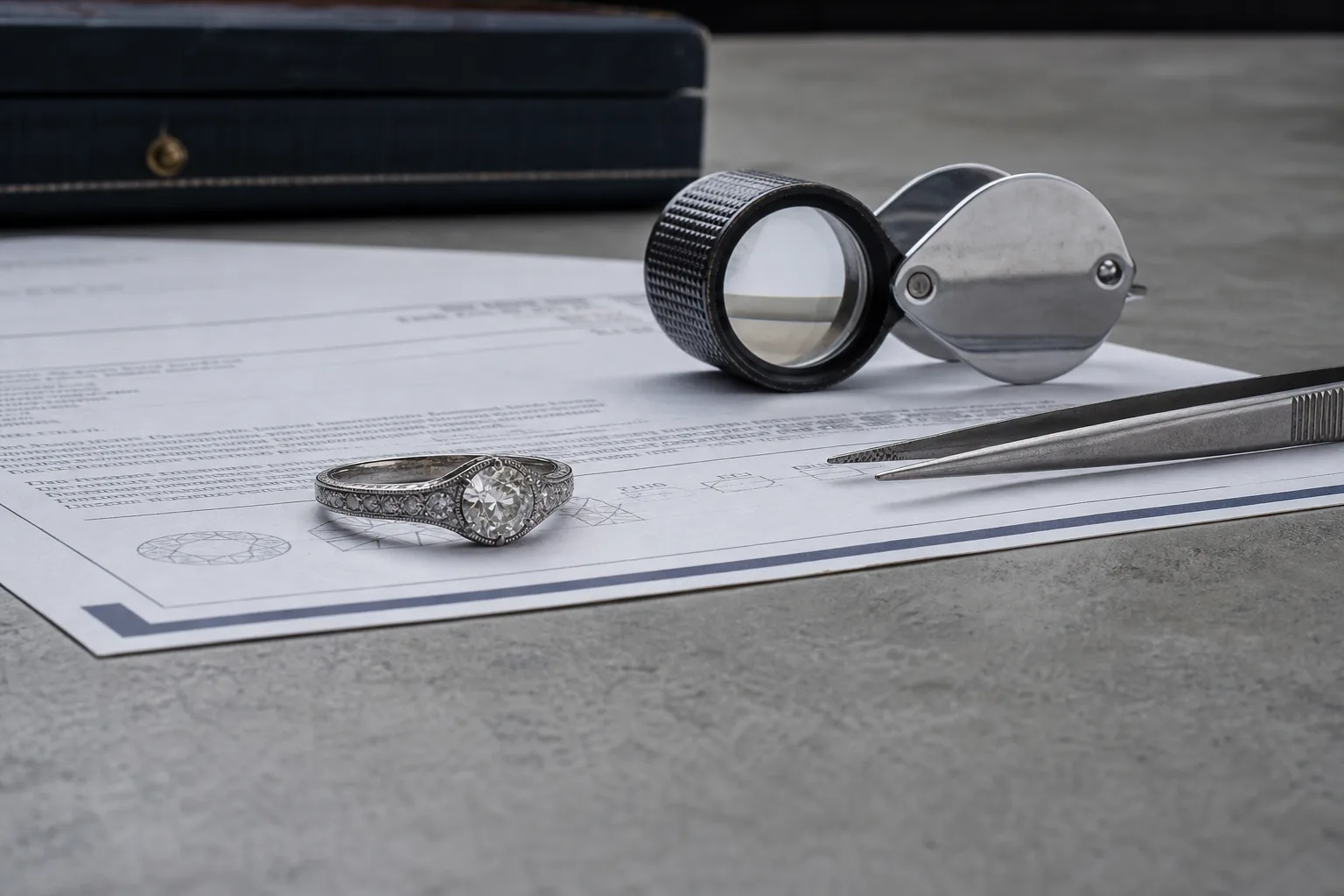
The ring arrived in a bank envelope with a probate inventory stapled to it, and the woman who inherited it did what most first-timers do: she called the agent who wrote her homeowners policy and asked whether it was covered. The answer she got was technically yes and practically no. Her policy responded to jewelry theft up to a sublimit, a fixed cap set decades ago in the standardized form and carried forward since, and the ring was worth a multiple of it. To insure the actual object, she would need to schedule it, and to schedule it she would need an appraisal. That was the first time anyone told her an appraisal is a perishable document.
The cap in the base policy was never about her ring
Renata Vogel, an independent appraiser who works for policyholders rather than for retailers, describes the sublimit as a piece of inherited plumbing. Standard homeowners forms cover personal property broadly, then carve out categories where losses are frequent, hard to verify, and easy to overstate: cash, securities, firearms, silverware, and jewelry. The jewelry carve-out is a theft cap, not a general cap, which is why people are surprised twice, once when they learn it exists and again when they learn it does not apply to a house fire. Vogel's point is that the number was set for a portfolio, not for a person, and nobody at the carrier has ever seen the ring.
Scheduling is the workaround the market built. A scheduled personal property endorsement lists the item, states a value, and usually drops the deductible and broadens the perils to include the ordinary disasters of jewelry ownership: the stone that leaves the setting on a beach, the earring lost in a hotel room. Vogel says first-timers hear this as an upgrade and stop reading, when the important change is structural. The endorsement moves the decision about value from a claims adjuster examining a loss to a document written before the loss, by someone the policyholder chose and paid.
What the appraisal is for, and who is actually reading it
An insurance appraisal is not an estimate of what the ring would fetch. Vogel writes to replacement cost in a defined market, meaning what it would take to obtain a comparable item from a comparable source, and that phrase is doing more work than clients expect. Comparable to a period piece from the 1930s means the estate market, not a mall case. She grades the center stone, measures it in the mounting, notes the cut, describes the metal and the maker's marks where any survive, and photographs it. The Federal Trade Commission is the body responsible for how jewelry is described in commerce, and the vocabulary in a competent appraisal tracks those descriptive rules closely, because vague language is where claims later stall.
The reader she writes for is not the client. It is an underwriter deciding whether to accept the item and at what premium, and later an adjuster deciding whether the thing being replaced is the thing that was insured. Vogel says the single most useful line in a first appraisal is the one identifying the stone as natural or laboratory-grown, a distinction that barely registered in consumer paperwork twenty years ago and now moves value substantially. An older document that is silent on it invites a question at exactly the wrong moment.
The expiration date nobody prints on the page
No appraisal says void after three years, and that is why the aging goes unnoticed. Carriers set their own refresh intervals, commonly a few years, and some enforce them by requiring an updated document at renewal while others simply apply an inflation adjustment and leave the original figure to drift. Vogel treats gold and platinum prices, the estate market for period pieces, and the collapse in laboratory-grown diamond pricing as three separate clocks running at different speeds under one document. A 2015 appraisal on a plain gold piece may now be low. A 2015 appraisal on a solitaire may now be high, and the client has been paying premium on a number that will not be honored.
Agreed value, and the sentence that settles it
The question a first-timer should ask, Vogel says, is whether the schedule is written on an agreed value basis or subject to actual cash value at the time of loss. Agreed value means the number on the endorsement is the number paid, and the appraisal did the deciding, years ago. The alternative means the carrier revalues after the fact and the appraisal was only evidence. She has watched clients discover which one they bought while sitting across from an adjuster. The choice existed at the moment of purchase, sat in a sentence on the declarations page, and belonged entirely to the policyholder who never read it.
The woman with the probate envelope scheduled the ring on an agreed value basis, put a calendar reminder three years out, and asked her agent in writing what the carrier's refresh interval was. That short exchange moved the decision back where she could reach it.