Finance
Inherited a Ring and Never Touched the Paperwork? What Makes a Valuables Claim Pay in Full
A first-time claim on a scheduled ring paid the number typed on a fifteen-year-old appraisal, and the gap between that number and the replacement quote was the whole story.
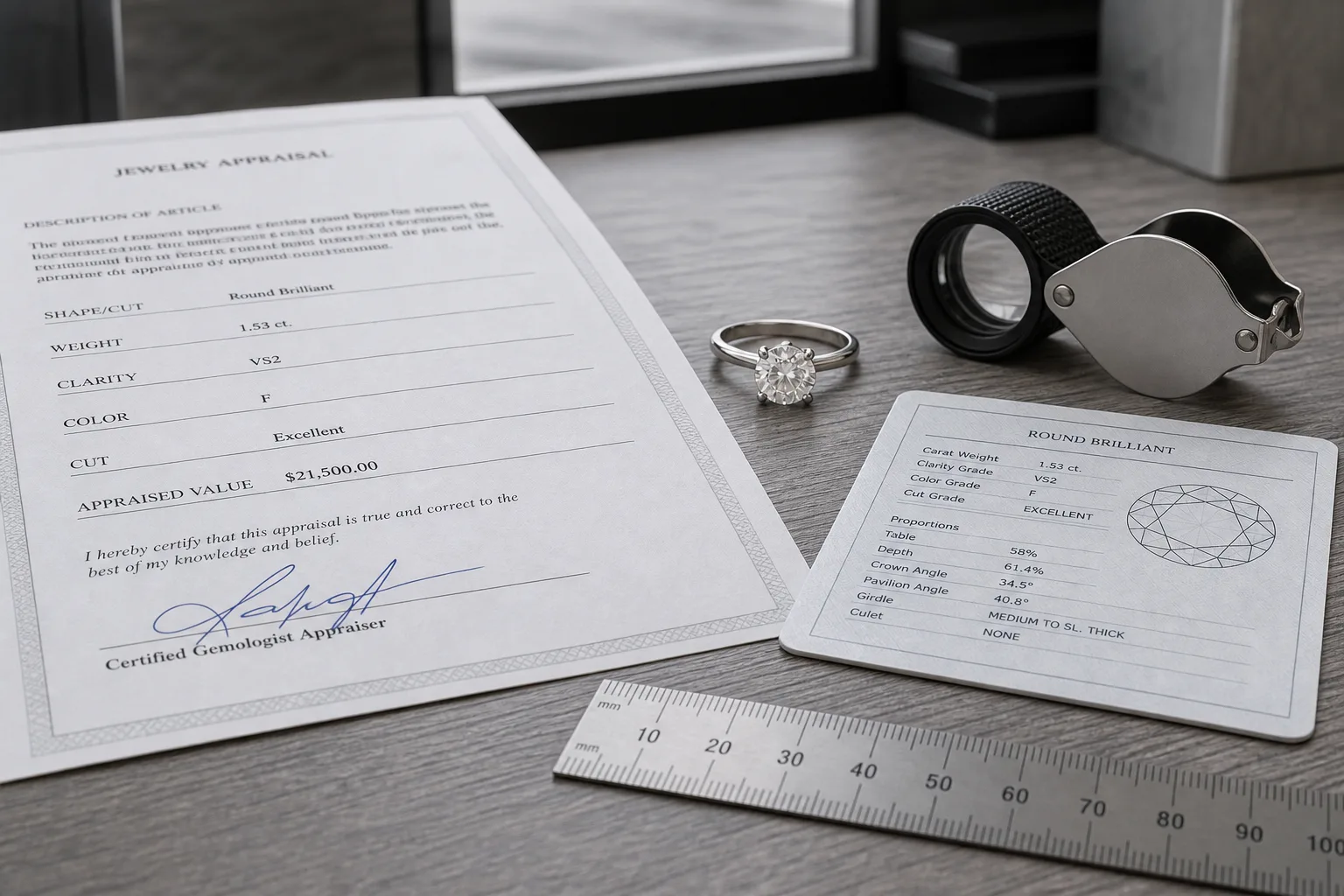
The ring came out of an estate in the fall, went onto the homeowners policy the following spring, and sat on the schedule untouched for the next fifteen years. When it went missing from a hotel room, the owner did everything the adjuster asked, promptly and in order: police report, claim form, a copy of the appraisal that had been submitted when the item was first added. The check arrived quickly and matched the appraisal exactly. Then she took the paperwork to a jeweler to have a comparable piece made, and the estimate came back at roughly double what the insurer had paid.
Working back to the decision that set the number
Nothing went wrong at the claim stage. The adjuster paid what the policy promised, which was the value stated on the scheduled item endorsement, and that value came from a document prepared when the ring was inherited. The decision that decided the outcome happened years earlier and took about four minutes: the agent asked for an appraisal, she emailed the one that came with the estate papers, and the number on it became the number on the policy. No one told her it would stay that number until she asked for it to change. A first-time owner has no reason to know that the schedule is a snapshot rather than a live figure.
The second thing worth noticing is that the appraisal itself was never wrong. It described the stone, the mounting, the metal weight and the finding accurately, and it stated a replacement value that was defensible on the day it was signed. Appraisals do not expire because they become inaccurate about the object. They expire because they are priced against a market, and the market underneath them keeps moving: gold and platinum trade daily, colored stone supply shifts with mining and sanctions, lab-grown competition has reset diamond pricing, and labor rates for custom bench work climb like every other trade.
The paperwork that actually carries a claim
A usable file for one piece of jewelry is smaller than most first-timers expect and larger than the single PDF they usually have. It starts with a current appraisal on letterhead, dated and signed, naming the appraiser's credential and stating that the value given is retail replacement cost rather than fair market or liquidation value, since those three numbers can differ substantially for the same ring. Add any independent grading report, a GIA or AGS document with its report number, because that report is what lets a jeweler source a genuine equivalent rather than argue about a description. Add the original receipt if one exists.
Then add the photographs, which cost nothing and do more work than people assume. Four angles on a plain background, one shot with a ruler or a coin for scale, and one close enough to show the setting style and any engraving or repair. Store the whole set somewhere that survives the loss of the house: cloud storage, a shared folder with an adult child, an email to yourself. A simple spreadsheet listing item, appraised value, appraisal date, appraiser and file location will serve a household with a dozen pieces better than any app, mostly because the appraisal date column is what triggers the next step.
How the coverage itself should be set up
Unscheduled jewelry sits under a sublimit in the base homeowners policy, and that sublimit is usually low, often narrower for theft than for other perils, and always subject to the deductible. Scheduling moves an item onto its own endorsement, typically with no deductible, broader peril language that includes mysterious disappearance, and coverage that follows the item when traveling. Ask the agent directly whether the schedule is written on an agreed value basis, meaning the stated amount is paid without argument, or subject to a lesser-of clause that caps payment at actual replacement cost. Both exist. The difference only becomes visible at claim time, which is exactly when it is too late to change.
Setting a review cadence you will actually keep
Three years is a reasonable default interval for updating an appraisal, and most insurers will accept an appraiser's written value update rather than a full re-examination, which costs less and takes less time. Move sooner if metal prices have run, if a piece has been resized or reset, or if you inherit anything. Between formal updates, an inflation guard endorsement on scheduled items adds a small annual increase automatically. The Federal Trade Commission oversees how jewelry is described and advertised in the United States, which is why the terminology on a competent appraisal, natural versus laboratory-grown, plated versus solid, matters as much as the dollar figure attached to it.
The owner in this case rescheduled what remained of her mother's pieces at current values, put the appraisal dates in a calendar, and paid slightly more in premium for a schedule that now reflects what a bench jeweler would charge to make the pieces again.