Housing
Cracked Heat Exchanger in February? The Party That Decides Whether the Warranty Pays
A furnace failure in the coldest week of the year is settled less by the installer than by a warranty reviewer reading service invoices nobody thought to keep.
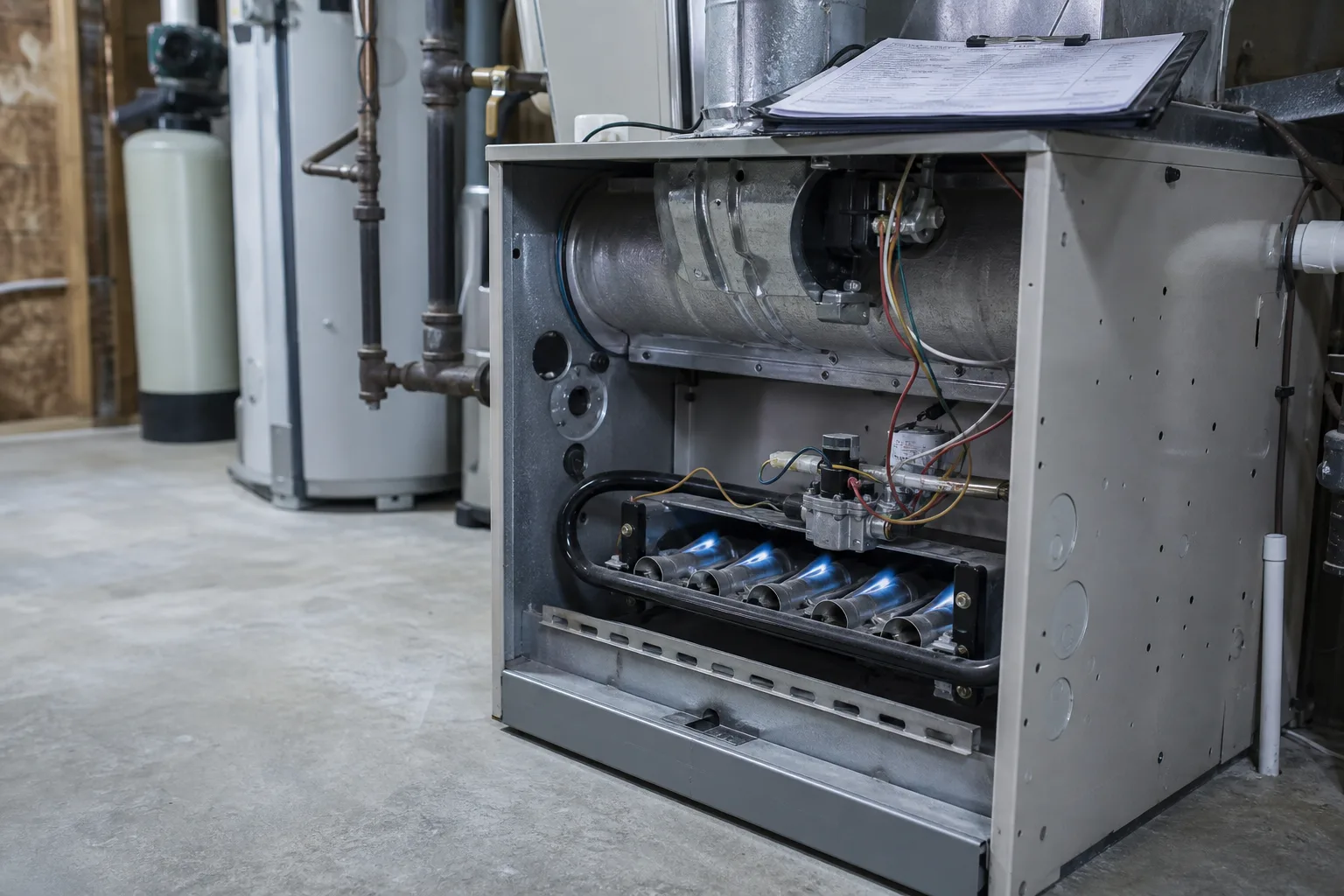
A furnace installed in a suburban Minnesota split-level in the fall of 2019 came with a twenty-year limited warranty on the heat exchanger and a ten-year parts warranty, both conditioned on registration within sixty days and on annual maintenance by a qualified technician. The homeowner registered it, kept the confirmation email, and then did what most people do, which is nothing, because the unit ran quietly for six winters. In the second week of February it locked out on a flame rollout, and the technician who opened the cabinet found a hairline crack running along a weld on the second cell. The part was covered. The claim was not paid on the first submission.
The person reading the file has never seen the house
Everyone in that transaction assumed the decision sat with someone standing in the basement. The homeowner asked the technician. The technician, who worked for the company that installed the unit, said the part was under warranty and he would order it. What actually happened next was that the contractor submitted a claim to a distributor, and the distributor forwarded it to the manufacturer's warranty department, where a reviewer who will never see the house, the crack, or the customer compared the serial number against the registration record and asked for proof of annual maintenance. That reviewer holds the choice. Nobody in the conversation was addressing that reviewer, and nothing had been written for them.
This is the overlooked party in almost every upkeep transaction: not the tradesperson you hire, not the manufacturer's brand, but the back-office adjudicator who inherits your file months or years later and can only see documents. A homeowner who understands that starts producing evidence during ordinary maintenance rather than after a failure. The distinction sounds procedural. In practice it decides whether a heat exchanger replacement lands as a labor charge or as a full parts-and-labor charge in the coldest week of the year, when nobody is shopping around for a second bid.
What the annual maintenance condition can and cannot require
Manufacturers write maintenance conditions into limited warranties routinely, and they are generally enforceable, but there are limits worth knowing before a contractor tells you otherwise. Under federal warranty law, a written warranty on a consumer product generally cannot be conditioned on the use of a particular brand of part or a particular company's service unless that service is provided free of charge or the manufacturer has obtained a waiver. The Federal Trade Commission is the agency responsible for these warranty rules. What that means at the counter is that the requirement is usually for qualified service, documented, not for service purchased from the dealer who sold you the unit.
It also means the burden that survives is documentary. A warranty reviewer is not judging whether you maintained the furnace. They are judging whether the file shows it, which is a narrower and much harsher test. Verbal history counts for nothing. A credit card line reading "HVAC service" counts for very little. An invoice that names the model and serial number, dates the visit, identifies the technician and the license under which the work was performed, and lists what was inspected and what readings were taken is the thing that closes the question in a single exchange.
Fall is when that record is cheap to create
The seasonal point is not that furnaces fail in winter, though they do. It is that the paperwork that governs a winter failure can only be created in the fall, when technicians are available, appointments are scheduled rather than emergency, and the invoice is written by someone with time to write it properly. Ask for the readings to appear on the document: static pressure, temperature rise, combustion analysis if the technician runs one, the condition and size of the filter, and confirmation that the heat exchanger was inspected. Then ask for the invoice by email and put it in the same folder as the registration confirmation.
The compounding runs through airflow. A filter left in past its life restricts return air, which raises temperature rise across the exchanger, which cycles the metal harder than it was designed for, which over several seasons opens a weld that was fine at installation. Each individual omission is small and cheap. The failure at the end is neither, and the warranty that was supposed to absorb it is precisely the thing the omissions disqualified. Fall maintenance is not really about the furnace running better this winter, though it will. It is about keeping the manufacturer on the hook for year fifteen.
Renters and condominium owners face the same reviewer, wearing a different hat
The structure repeats wherever someone else owns the equipment. A tenant whose furnace short-cycles calls the property manager, and the person who eventually decides is not the manager but whoever reviews the maintenance file when the unit is replaced or when a habitability complaint is filed. Written notice, sent by email and kept, is the tenant's equivalent of a dated service invoice. In a condominium, the association's records determine whether a rooftop unit's neglect sits with the association or the unit owner, and the owner who requests copies of the service log in October is asking at the one time of year the answer is easy to get.
The homeowner in Minnesota found two invoices from the years the dealer had run a fall promotion, submitted them, and had the exchanger approved on the second try, paying only labor. The gap years never came up, because the file was good enough to stop the question. That is the whole discipline: write for the reader you will never meet, in the season when writing costs you an appointment instead of a furnace.