Business
Carton Crushed in Transit? Who Actually Decides Whether the Carrier Pays
A crushed pallet of stoneware shows how packaging standards, tariff limits, state lines and water crossings decide who absorbs freight damage long before anyone files a claim.
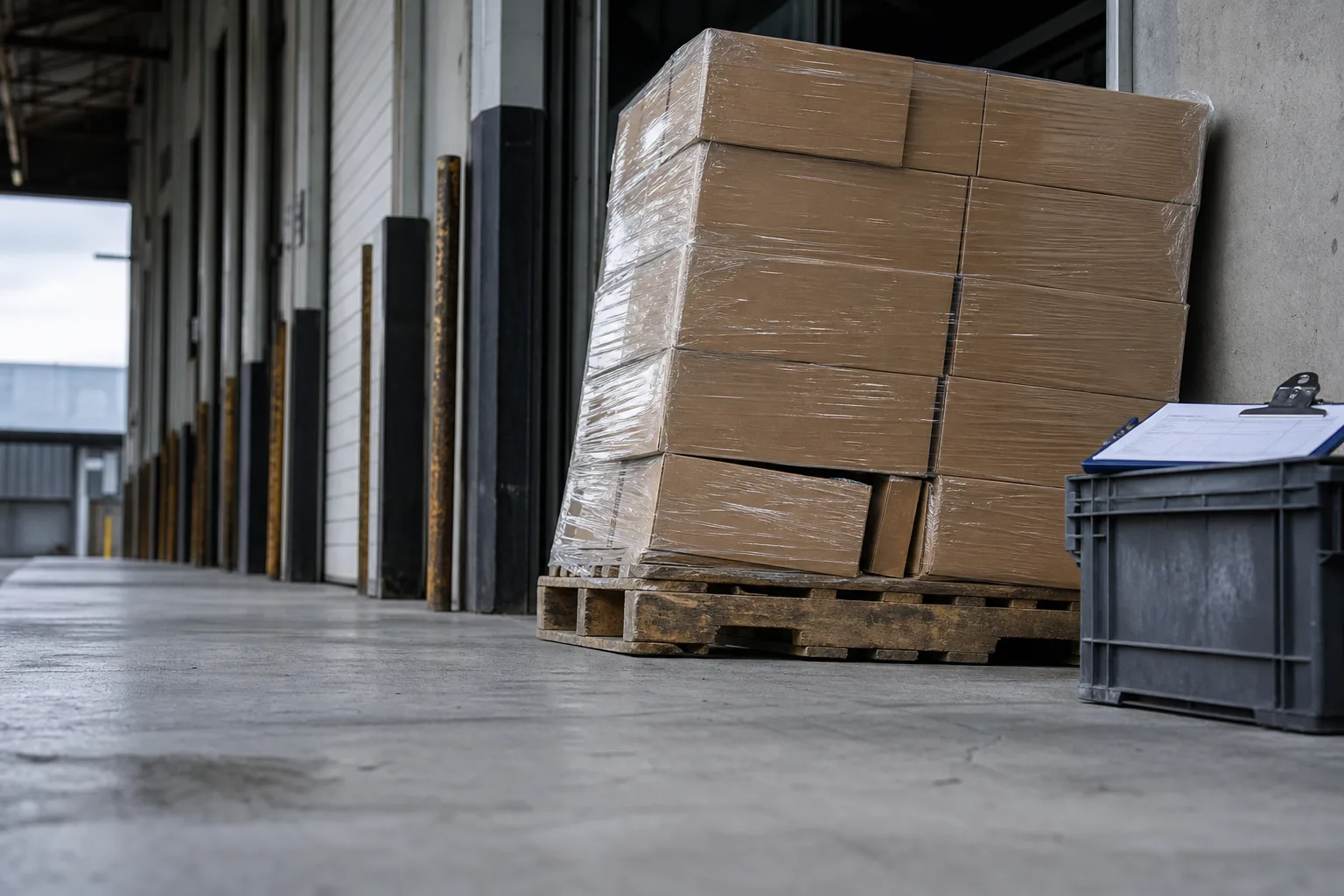
A stoneware maker outside Louisville shipped fourteen cartons of glazed serving bowls on a single pallet to a retailer in Sacramento, stretch wrapped, no corner boards, no top cap, the cartons stacked in a column rather than interlocked. The pallet arrived leaning, four cartons split at the seams, and the delivery receipt carried the driver's handwritten note that the wrap was torn on arrival at the destination terminal. The claim came back denied nine weeks later, and the denial did not argue about how the damage happened. It argued that the packaging never met the requirement written into the carrier's own classification, which meant the loss was never the carrier's to absorb.
The packaging standard belongs to the carrier, not the shipper
Most shippers assume packaging is a judgment call, something you get better at by watching what survives. In less-than-truckload freight it is closer to a published specification. The National Motor Freight Classification assigns each commodity an item number, and that item number often carries packaging requirements: box burst strength or edge crush test rating, unitization method, how a fragile commodity must be blocked or braced. A carrier that can point to a failure against that item has an established defense before anyone examines the trailer. Many carriers also reference package testing protocols such as the ISTA series in their tariffs, which turns a vague expectation into something a shipper can actually test against and document.
The number that caps the loss is set before the truck arrives
Liability for freight damage is almost never the invoice value of the goods unless someone made it so in writing. On an LTL bill of lading, released value provisions tie the carrier's exposure to a dollar figure per pound, and that figure varies by commodity class and by the specific tariff in force. Household goods moves work the same way, with the standard minimum released rate expressed as sixty cents per pound per article, a number that turns a damaged flat-screen into a payment of a few dollars. The Federal Motor Carrier Safety Administration oversees the disclosure rules that require interstate household goods movers to present both options. The choice belongs to the shipper, and it expires the moment the paperwork is signed.
The same truck, two bodies of law, decided by a state line
An interstate shipment moving by motor carrier falls under the Carmack Amendment, which preempts state law claims, sets a national framework for carrier liability, and lets the carrier limit exposure only where it has given the shipper a real choice of rates. A shipment that starts and ends inside one state does not. Intrastate freight is governed by whatever that state's law and public utilities or transportation commission provide, and the answers diverge. Some states track the federal scheme closely, some impose their own tariff filing and liability rules, and a few give the shipper stronger remedies than Carmack would. Two identical pallets, one crossing a border and one not, can land on different rulebooks entirely.
The clock starts with a document most people sign without reading
A driver hands over a delivery receipt and waits. What gets written on it at that moment does more work than anything filed afterward. Visible damage noted at delivery, with carton counts and a short description, converts a later dispute into a documentation exercise; a clean signature converts it into an argument. Standard bill of lading terms typically allow nine months to file a written claim and two years from claim denial to bring suit, but parcel carriers run on their own contracts of carriage with far shorter notice windows, often measured in days for concealed damage. Photograph the pallet before it leaves the dock, and photograph it again before anything is unwrapped.
Water and borders replace the rule entirely
A shipment moving to Honolulu, Anchorage or San Juan usually has an ocean leg, and on that leg the Carriage of Goods by Sea Act applies, with its long-standing limit of five hundred dollars per package unless a higher value is declared and the higher freight rate paid. What counts as a package can be litigated: a pallet, a carton, sometimes the container. Air moves under the Montreal Convention with its own weight-based limit. For international sales, the Incoterm on the purchase order decides the point at which risk of loss transfers, which is frequently not the point where the goods change hands physically. Fixing the Incoterm and the declared value together, in the same conversation, is what closes the gap.
The Louisville shipper now buys double-wall cartons rated to the classification item, caps and corner boards every pallet, keeps the ISTA test report from its packaging supplier on file, and declares value in writing on freight over a set threshold. None of that is expensive relative to what a denied claim costs. It also moves the decision back to the party that can actually make it, which was never the carrier's claims examiner reading a delivery receipt eight states away.