Finance
A 2014 Appraisal and a 2024 Claim. Who Actually Decides What Your Ring Is Worth
An appraisal is a dated opinion, not a promise, and the party who decides what a scheduled ring is worth at claim time has changed since 2014.
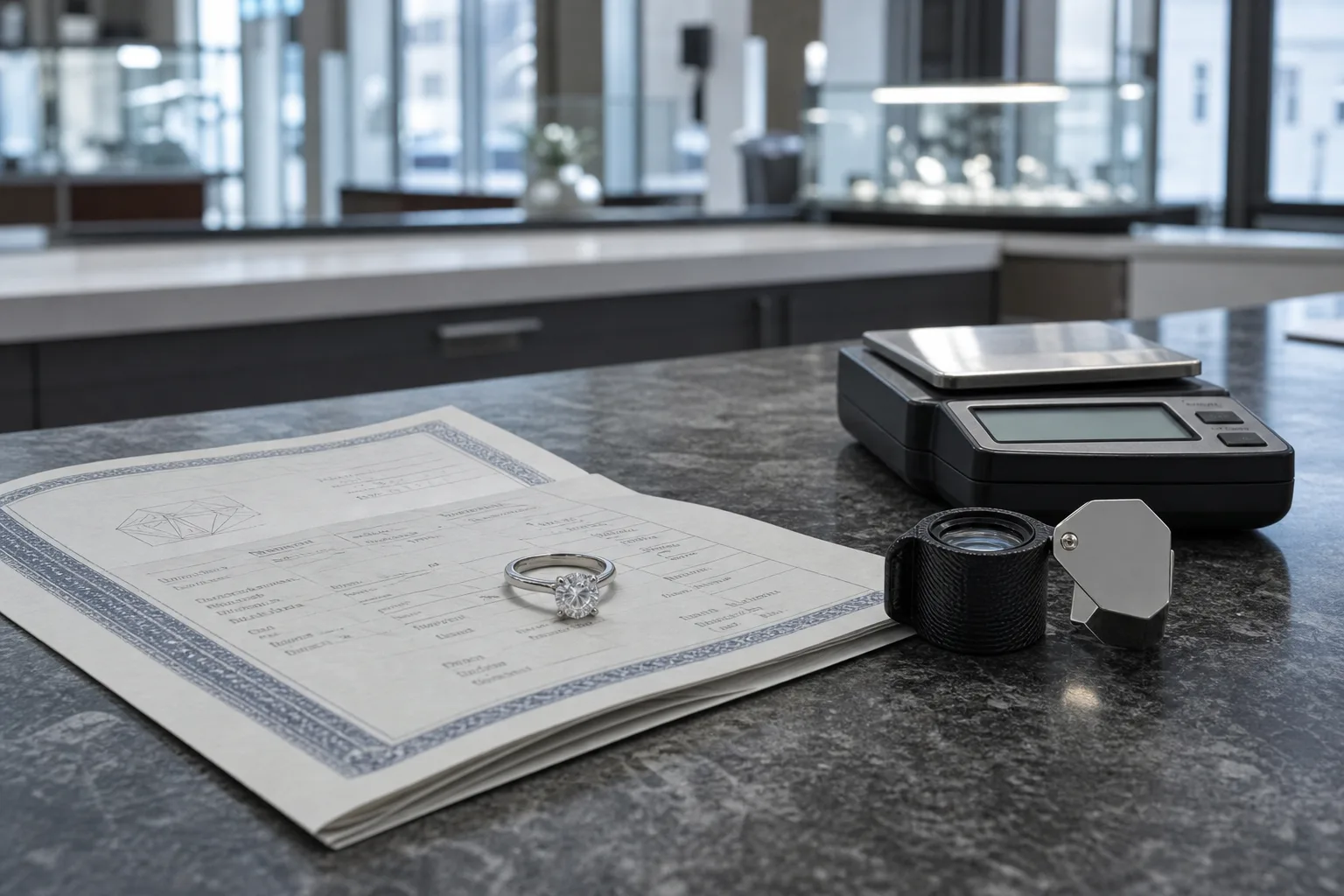
A ring is appraised at a jewelry counter in 2014, the document is faxed to an agent, and the item is scheduled on a homeowners policy as a separate line with no deductible. Call the appraised figure twelve thousand dollars; the exact number matters far less than what happens to it over the following decade. The ring is lost in 2024. The policyholder expects a check for the scheduled amount, because that is the number that has been printed on every renewal declaration page since the Obama administration. What arrives instead is a phone call from a replacement vendor the policyholder has never heard of.
What that 2014 document was actually asserting
An insurance appraisal is an opinion of retail replacement cost on a specific date, written by a specific person, usually working for a business that also sells jewelry. It is not a guarantee of value, not a bill of sale, and not a contract with the carrier. Ten years ago that distinction rarely surfaced, because the appraisal traveled from the store to a local agent who scheduled the item and filed the paper. Nobody in that chain had a reason to interrogate the number. The store benefited from a generous figure, the agent earned premium on the stated value, and the policyholder felt covered.
The carrier stopped being a person in an office
The most consequential change is organizational rather than technical. Scheduled personal property that was once handled by a regional underwriter with a folder is now run through a national program: centralized submission, standardized documentation requirements, automatic annual value adjustments on some forms, and a contracted replacement network for jewelry, watches and fine art. That larger provider has capacity the local office never had, and it uses it. Appraisals are read now, not merely stored. Many carriers ask for revaluation on a cycle, commonly every three to five years, and some will not bind a new schedule above a threshold without a current document and photographs.
The upside is real and worth naming. A policyholder who submits a current appraisal, a laboratory report and clear images is dealing with a file that can be settled quickly, because the carrier already knows what the item is. The friction falls on stale schedules, not on maintained ones.
The market moved in two directions at once
Between 2014 and now, the metal and the stone went opposite ways. Gold has risen substantially, so the mounting in that 2014 ring costs more to reproduce than it did, and a plain band or a heavy chain scheduled a decade ago is very likely underinsured. Center stones tell the other story. Laboratory-grown diamonds moved from a curiosity to a mainstream category, retail pricing for natural stones in common sizes softened in places, and grading language tightened. The Federal Trade Commission is the agency responsible for how jewelry is described and disclosed in the United States, and its jewelry guides govern the words a seller may use for origin and treatment.
What that means practically is that a 2014 appraisal describing a stone in loose terms, without a laboratory report number, no longer establishes what the carrier is being asked to replace. A current appraisal that cites a report, records measurements, and identifies whether the stone is natural or laboratory-grown does establish it, and it establishes it in the policyholder's favor.
Who holds the choice at settlement
Read the schedule endorsement before assuming the printed figure is a payout. Most scheduled property forms give the carrier the option to repair, to replace with an item of like kind and quality, or to pay the cost to do so, with the scheduled amount functioning as a ceiling rather than a promise. That option belongs to the insurer. If the replacement network can source a comparable ring for less than twelve thousand dollars, the settlement reflects the sourcing cost, and the extra premium paid on an inflated 2014 figure buys nothing back. The one endorsement that shifts the choice is agreed value, which some carriers and most specialty jewelry insurers offer, and which fixes the payable amount at the scheduled figure without reference to what a vendor can find.
That is the decision to make at renewal rather than at claim. Ask the carrier three things in writing: whether the schedule is agreed value or replacement cost, how often a current appraisal is required, and whether the policyholder may choose the replacing jeweler. Answers vary by carrier and by state, and the answers determine whether the appraisal is an asset or an artifact.
The appraisal expires because it was always a snapshot, and the party reading it in 2024 is not the party who filed it in 2014. Refreshing it on the carrier's cycle costs a modest fee and an afternoon, and it converts a decade-old opinion into the document that settles the claim on the policyholder's terms.